
Botswana is an arid and landlocked country famously known for the best safaris in Africa, it is bordered by Namibia, South Africa, Zimbabwe, Zambia and two thirds of its area is covered by the Kalahari Desert. With the amazing safaris one can have a complete trip to Botswana when they visit at least a cultural village to experience this country’s rich culture. Botswana gained it independence in 1966 from the British colonial masters.
The word Bot swana is a local word to mean “place of Tswana” people. The citizens are called the Tswana people or the Bat swana, the word Batswana has two meaning; according to the government it is used to refer to all Botswana citizens however ethnically it is a distinctive name to the Tswana to differentiate them from other ethnic groups living in Botswana today.
Tribes, Languages and Religion
The official language in Botswana is English and the national language is Setswana. Other languages of the Khoisan, Bantu and the Indo-Europeans are spoken. This literally means that the language used in schools and by the government is English however Setswana is widely spoken by about 90% of the population. This language is mainly for the Tswana people with both their cultural practices and language hence a number of other ethnic groups have resisted it being regarded as a national language. But still it has emerged.
There are a number of ethnic groups in Botswana and the largest of them is the Tswana people whole make about 75% of the total population in the country; it is split up into 8 tribes; Bakwena, Batlokwa, Bakgatla, Bamangwato, Bamalete, Bangwaketse, and Barolong. Other ethnic groups include; Basubiya, Hambukushu, Basarwa, and Bayei. However, all these groups are referred to as “Batswana” meaning “people of Botswana”.
About religion, most Batswana are Christians, however some still practice traditional beliefs. There are also Muslims, Hindus, and a few Baha’is in small communities.

Architecture and Urbanism
The modern architecture is different from the traditional architecture from the use of material. Traditionally materials used are wooden poles, dung/mud, thatch and its family members that build the house in a round form with a grass thatched roof and living a courtyard where a number of activities take place where as in the most urban households are built with brick, iron bars, cement among others with a number of rooms such as kitchens, bedrooms among others.
The Tswana however have maintained a custom of having 3 residential sites; one at the cattle-post, one in a village and another at the agricultural holdings. Even those in the urban centers have maintained the custom of having a home built way back in the home towns.
Cuisine/Food
The staple food of most meals in Botswana is corn meal porridge or sorghum. Most people take a thinner version of porridge usually mixed with sugar, tea and milk. And at midday a thicker version of porridge is taken locally known as bogobe accompanied by cabbage or meat stew and beans or spinach. The meat eaten includes; sheep, fish, goat, chicken, beef, phane (a caterpillar) and a number of wild game.
Rice is also served though mainly taken by Europeans since most locals regard it as expensive. In most villages people take tea and buttered bread as their evening meal (dinner), although some add leftovers from midday.
There are a number of restaurants in around the urban centers that prepare foods from all around the world such as Nando’s chicken, KFC, Pie City are common. And some also cook local foods. In most villages you might not find restaurants but snacks, doughnuts are made. The locals also drink locally brewed beer and commercially available known as Chibuku.
Cultural Experiences
Visit the San People: this is an indigenous group of scattered gatherers and hunters who are usually referred to as Bushmen or the San. Their culture is so much distinct from other tribal groups in Africa. They are semi-nomads. Visiting their community gives you an opportunity of enjoying for Bushmen walks with authentic San trekkers who are so ready and happy about sharing their lifestyle with you. To you it is chance to even learn more about zoology, anthropology and geology in the areas the san call home above this, you will discover more about their traditions and culture. It is really amazing.
Explore the Tsodilo Hills: this is a UNESCO World Heritage Site and is where Bushmen rock art is found. This has existed for over 100,000 years, it is a cultural and spiritual ground to the local people but to you it introduces you to the beliefs and historical backgrounds of people that walked on the earth very many years ago. The place is covered with depressions, rock shelters, and caves with a number of paintings.

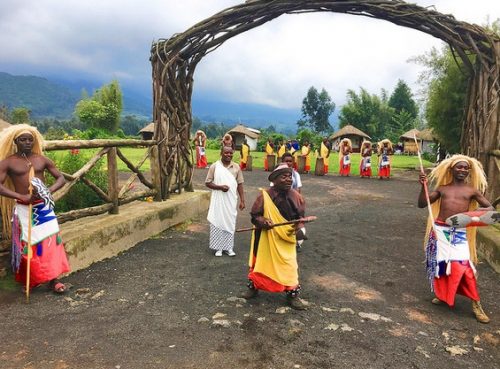
Visit the Shandereka Cultural Village: this village brings out the traditional life of the Sankuyo community which includes the Basubitya, the Bayei and Banajwa people. However the majority of these are from the Bayei tribe. You can enjoy traditional dances, music, nature walks through the village, local food, and demonstrations from traditional doctors. The people here weave baskets, and are great cravers of curios and granaries. It is an unforgettable experience.
You can also visit a number of other cultural villages such as the Seboba Cultural Village and Recreational Park, Bahurutshe Cultural Village, Sexaxa Cultural Village among others. They all provide you with amazing cultural knowledge and also get a chance of interacting and meeting new people.


No Comments